MARTYN DOWNER
Nelson's Purse
The Author Nelson's Purse Links Contact
About the Book Extract Images Reviews Nelson Davison Buy
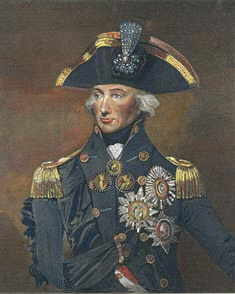 Horatio Nelson was born in 1758. The son of a rural clergyman, he joined the navy aged 12 serving in the West and East Indies, Arctic and North America. During the peace preceding the outbreak of war with France in 1793, Captain Nelson returned to Norfolk with his new wife Fanny whom he had met, and married, on Nevis in 1787. On 14 February 1797, Nelson played a decisive part in the battle of St Vincent earning him a knighthood and promotion to rear-admiral. A few months later, his right arm was amputated as the result of wounds suffered during an assault on Tenerife. Three years before he had lost the sight in one eye in a similarly ill-fated operation on Corsica. Nelson's fame was secured by his triumph over the French fleet at the battle of the Nile on 1 August 1798. Soon afterwards he began a scandalous affair with Emma Lady Hamilton, a notorious former courtesan and the wife of the British Ambassador in Naples. On his return to London in 1800, Nelson deserted his wife for his mistress who, in January 1801, presented him with a daughter, Horatia. Despite the turmoil in his private life, Nelson's professional reputation was further enhanced by his victory at the battle of Copenhagen the following April. When the French and Spanish fleets combined to support Napoleon's invasion army in 1805, it was inevitable that the nation should turn to Nelson to save England from defeat. The nature of his subsequent triumph at the battle of Trafalgar on 21 October 1805 - with Nelson dying of his wounds as the victory was announced - cast him forever as one of Britain's greatest heroes.
Image of Lord Nelson courtesy of Line Of Battle Naval Heritage Museum.